
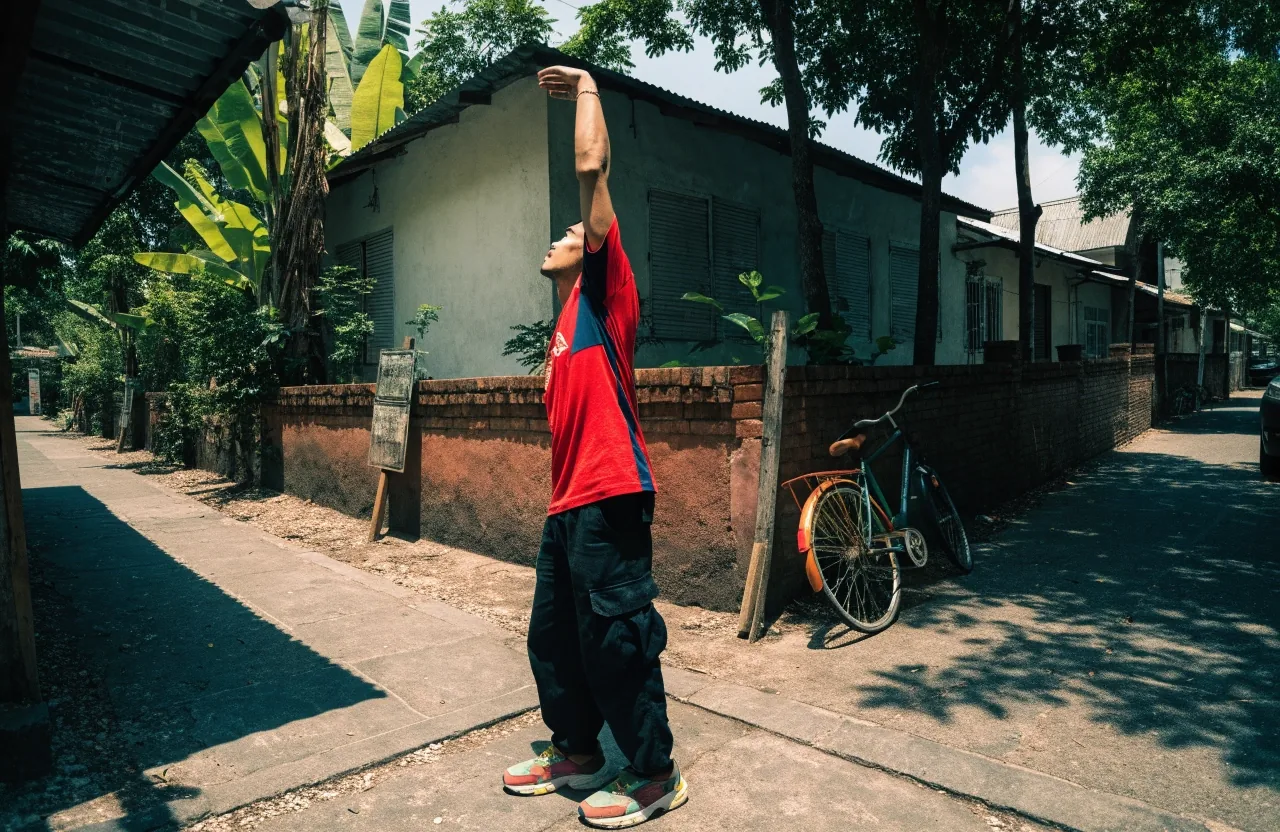
Simple Routines for Desk Work and Long Commutes
Movement breaks, standing, stretching, and short walks that fit into a normal working day in Jakarta, Surabaya, or Bandung.
Desk and commute routines · Jakarta · Vasculindo education desk
Why it matters
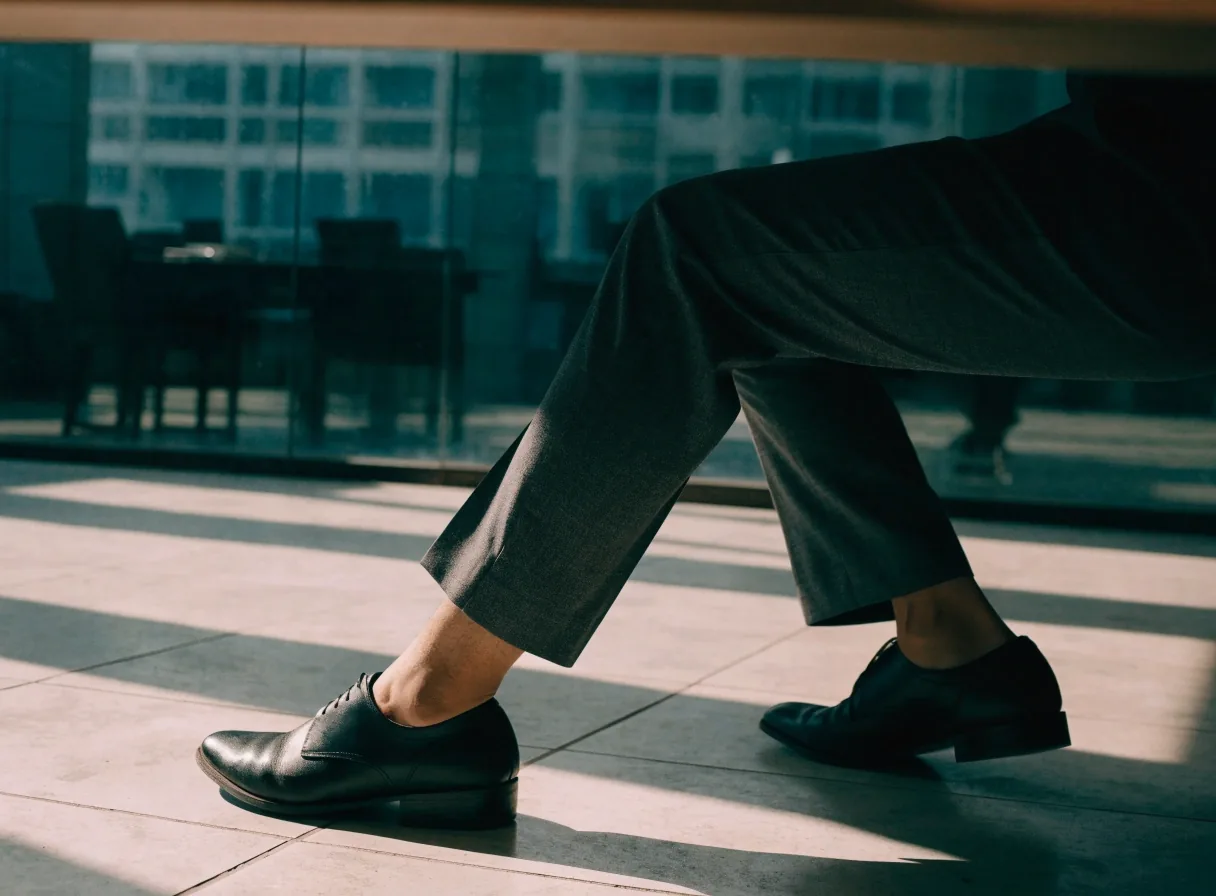
Under the desk · late morning · Jakarta
Why uninterrupted sitting is the problem
Blood flow in the legs slows during long sitting periods. Over years, that pattern is associated with poorer vascular function, even in people who exercise regularly outside work hours. The issue isn't sitting itself. It's sitting without interruption for hours at a time.
Vascular-health guidance recommends repeated movement breaks during long sitting periods, with standing, stretching, and short walks as the standard actions. The frequency is what matters. A long day at the desk with no breaks asks your legs to manage a slow return flow for hours, and that is where commute movement and desk breaks start to earn their place in your schedule.
If you work at a desk and commute in traffic, you're spending most of your waking hours sitting. That's the reality for a lot of people in Jakarta, Surabaya, and Bandung. The fix isn't a new job or a home gym. It's a set of small routines that fit the day you already have.

Pavement outside a Sudirman office · noon · Jakarta commute
The hourly stand-up rule
One small interruption, repeated, does more for your legs than a single long walk at the end of the day.
Every 60 minutes
Stand up once an hour, even briefly. Set a recurring reminder if you need one. Two minutes is enough to restore some flow in the legs. If you can walk to refill your water bottle or take a short loop, better.
If meetings block it
Aim for every 90 minutes and add a longer break at lunch. Consistency beats perfection. The point is the frequency, not the size of the break.
What counts
Standing, walking a short loop, refilling water, or taking a call upright. Any of these interrupts the sitting block, which is the whole job.
Stretches you can do at your desk
These take under three minutes total and don't require changing clothes. Do them during a phone call or between tasks.
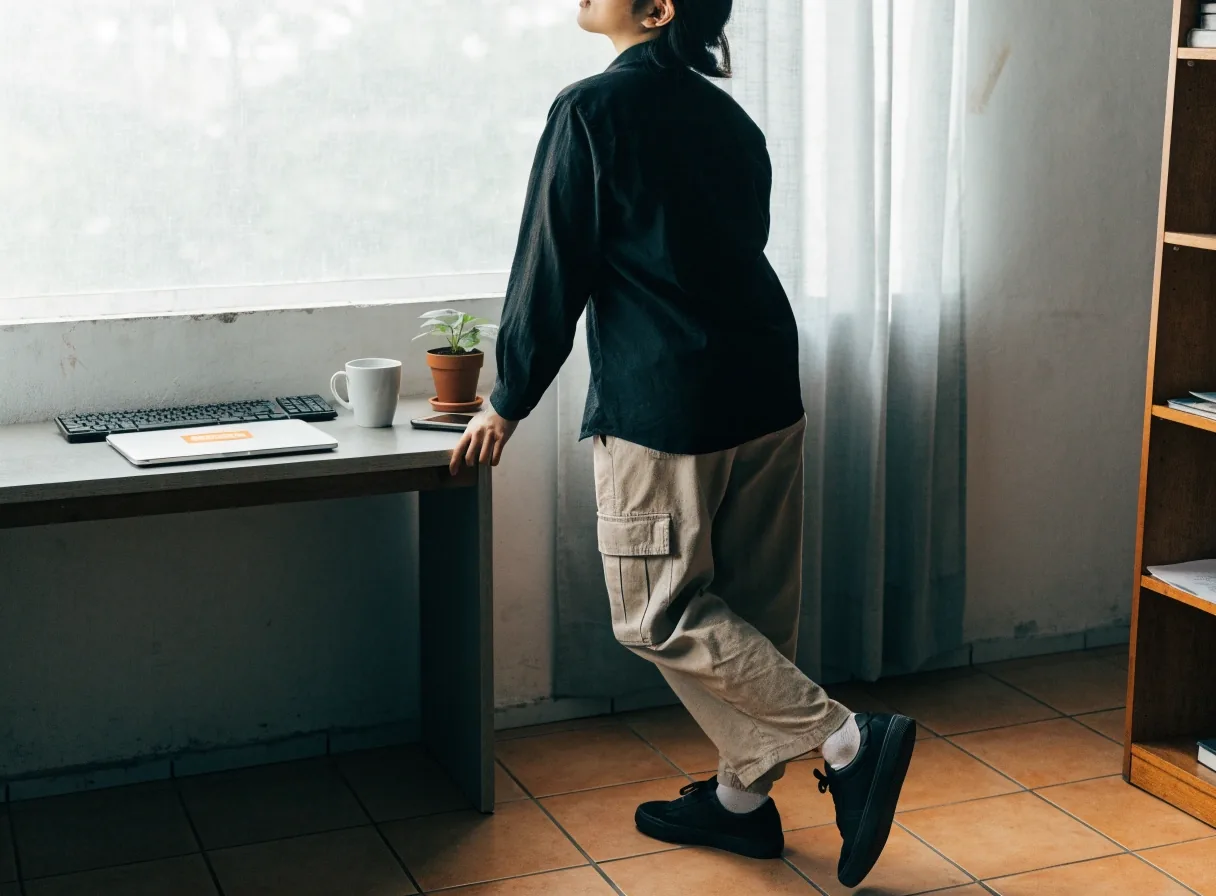
Calf raises · 15 to 20 reps
Stand and rise onto your toes 15 to 20 times. Hold the desk for balance if you need it.
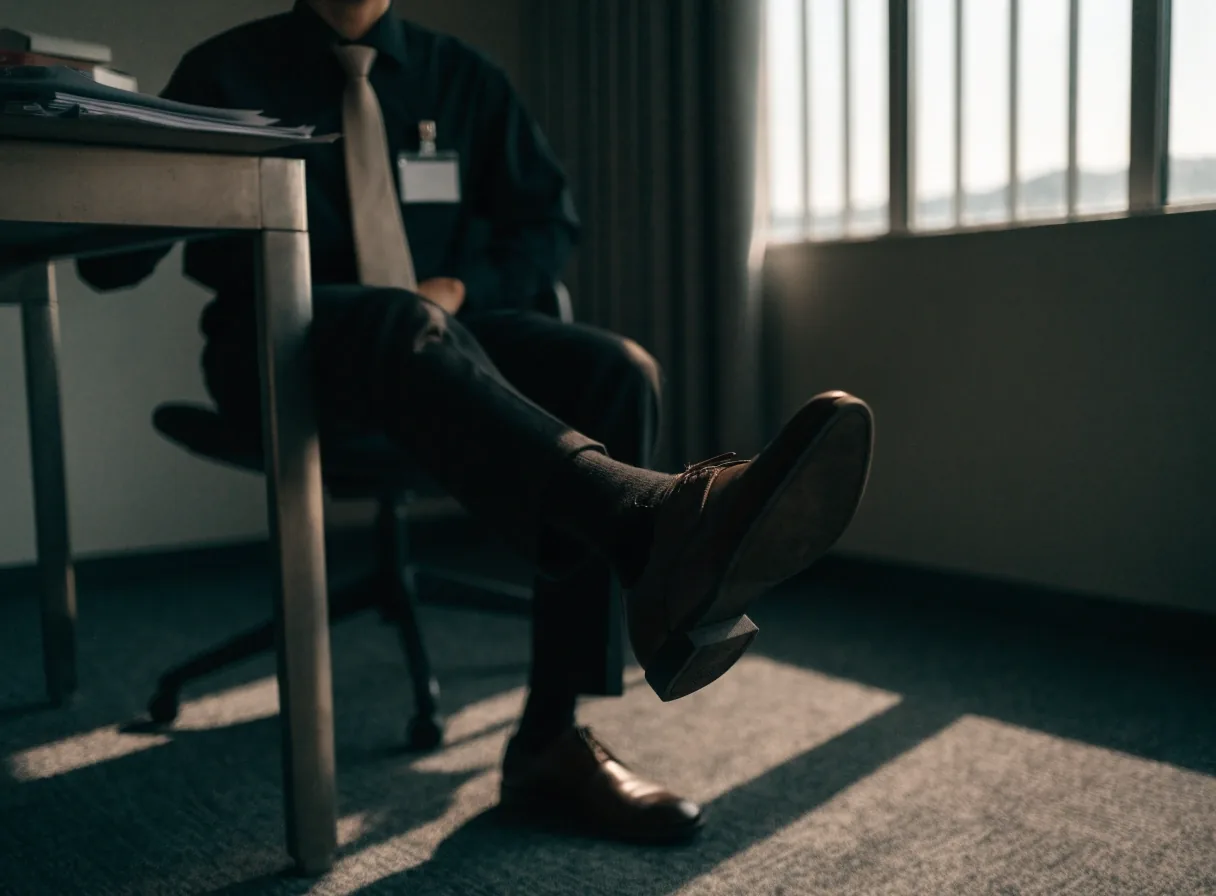
Ankle circles · 30 seconds each
Lift one foot and rotate it both directions for 30 seconds. Swap feet and repeat.
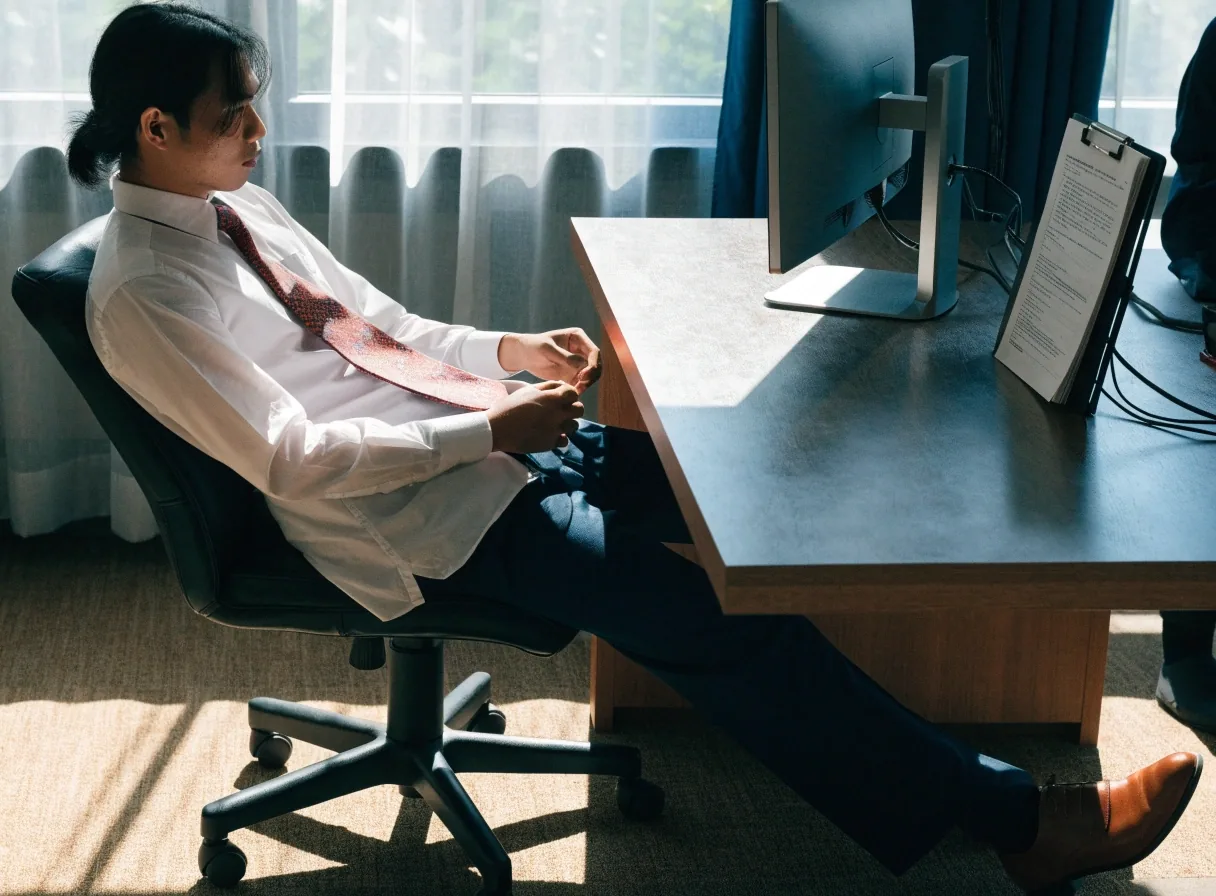
Seated hamstring · hold 20 seconds
Extend one leg, hinge forward gently, hold 20 seconds. Keep the back long rather than rounding hard.
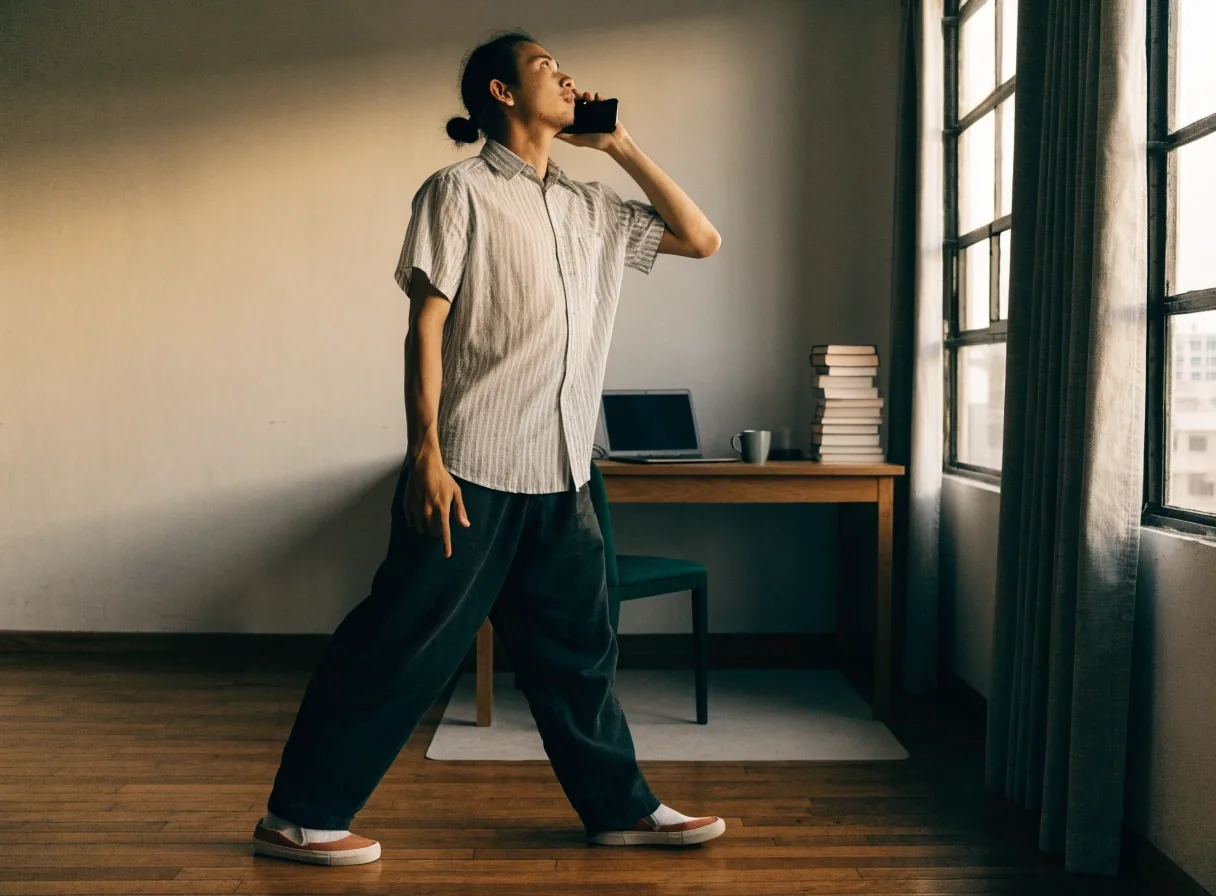
Shoulder rolls · on a call
Roll both shoulders back five times between tasks. It fits a call or a quiet minute without leaving your seat.
Walking meetings and lunch walks
If your role allows it, take some meetings on foot or by phone while walking. Even 10 minutes of walking counts toward the weekly activity total and breaks up sitting. A 15-minute walk after lunch is one of the easiest habits to keep, and it doubles as a mental reset before the afternoon.
The walk does not need a destination or a change of clothes. A loop around the block, a lap of the building, or a stretch of pavement between two corners is enough to interrupt the sitting block and add daily movement to the week.
Lunch break · 15 minutes · any weekday
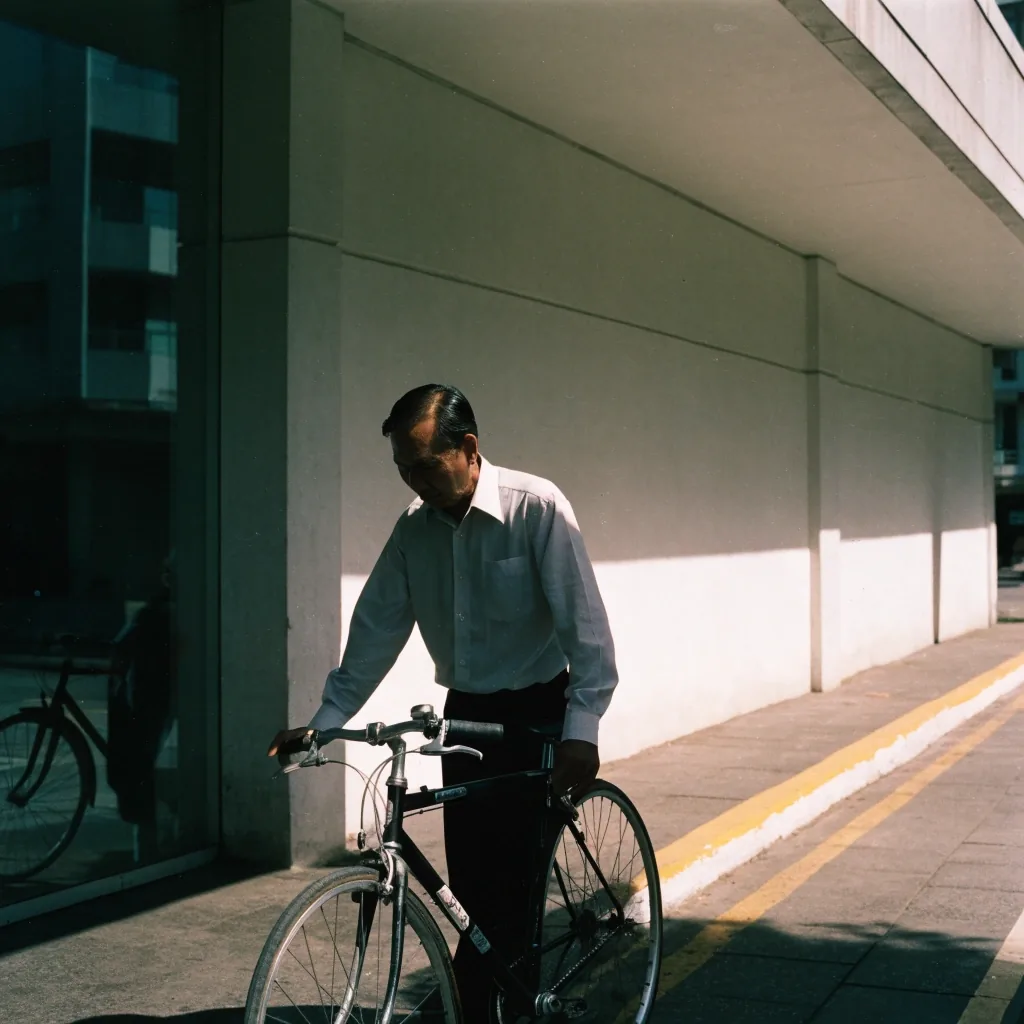
Kerb outside the office · noon · commute end
Commute movement: small additions
If you drive or ride a motorbike, park farther from the entrance. If you take public transport, get off one stop earlier and walk the rest. If you cycle for short errands, that's movement built into the day.
In heavy traffic, none of these add much time. They add movement without adding a separate workout slot. A five-minute walk from the far end of a car park, repeated twice a day, is a small addition that shows up every week without needing extra time set aside.
Pick the version that matches how you already travel. A commuter on a motorbike and a commuter on a bus can each find one step of their journey to walk on purpose, and that is enough to break up the sitting block at both ends of the workday.
Getting there

One stop earlier · Jakarta · weekday
Remote work: the harder case
Remote workers often have fewer natural movement triggers than office workers. No walk to the train, no walk to a colleague's desk, no stairs between floors. The routine has to be built deliberately.
Water in another room
Put water in a different room so refilling requires a walk. It sounds trivial, and that is the point. It turns a two-second sip into a two-minute break without needing willpower or a reminder.
Calls on your feet
Take calls standing. A half-hour call taken upright replaces thirty minutes of chair time without removing anything from your day.
Walk before you eat
Walk during the first 10 minutes of your lunch break before eating. Doing it first means the meal does not push the walk out of the schedule.
One reminder that repeats
Set one recurring reminder to stand up. Without the walk to the train or the stairs between floors, the reminder replaces the triggers your office used to provide.
Building the routine into your week
Pick two or three of the actions above and commit to them for one week. A recurring reminder to stand up, a lunch walk, and one walking meeting cover most of the benefit. After a week, add one more. The goal isn't a perfect routine. It's a routine you'll still be doing in six months.
Week one · two actions
Stand-up reminder plus a lunch walk. Both are small enough to keep on a busy week and visible enough that you notice when they slip.
Week two · add one
Add one walking meeting, or the desk stretch set on days you cannot leave the desk. Keep the first two actions running.
Beyond that · hold
Change one action when it stops working, and keep the rest. Consistency across months matters more than the size of any single break.
Questions desk workers ask
Frequency
How often should I actually get up?
Once an hour is the useful target, and two minutes is enough to count. If the day is packed with meetings, every 90 minutes with a longer lunch break is a workable fallback. What matters is that the sitting block gets interrupted repeatedly rather than once at the end of the day.
Exercise
I already train after work. Do desk breaks still matter?
Yes. A workout covers part of the day; the hours of sitting around it are separate. Movement breaks during those hours are the way to break up the long unbroken block, which is the part the evening session does not reach.
Commute
My commute is by motorbike in heavy traffic. What can I change?
Park farther from the entrance and walk the last stretch, and add a short walk before you get on the bike or after you get off. In dense traffic these add little or no time, and they give you two movement blocks on a day that would otherwise have none.
Desk space
The stretches need room. What works in a small space?
Calf raises and ankle circles need no floor space at all, and the seated hamstring stretch happens from your chair. None of the three needs you to change clothes or leave the desk, which is why they survive a crowded day.
Keep the routine going
The desk and commute actions work best when they sit inside a wider set of daily habits. These pages pick up where this one stops.
Vasculindo · Jl. Jend. Sudirman No. 52, Senayan, Kebayoran Baru, Jakarta Selatan · Monday to Friday, 9:00 AM – 6:00 PM
+62 21 5299 7315 · [email protected]