
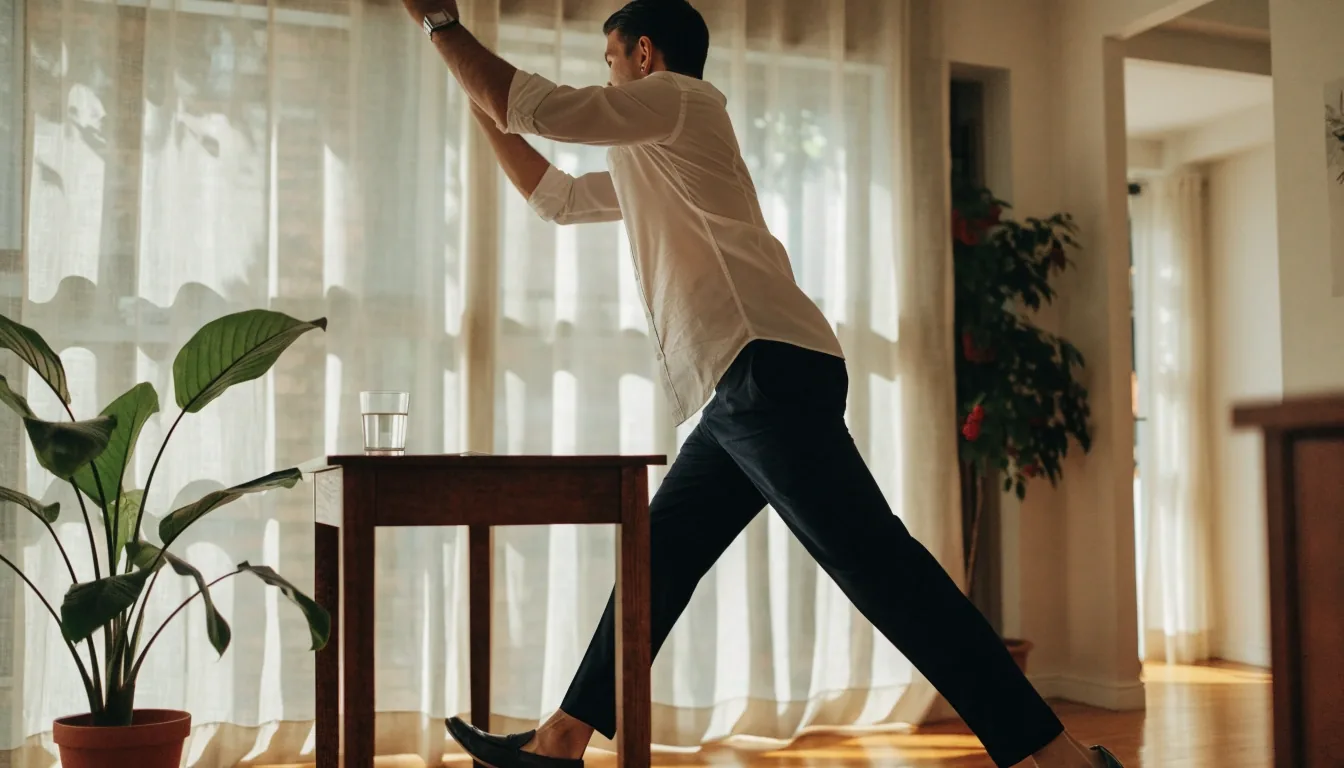
Jakarta · 12:04 · Walking, cycling, desk breaks
Everyday Habits That Support Healthy Blood Circulation
A plain-English reading room on vascular health: what movement, sitting time, hydration, sleep and tobacco avoidance do for your blood flow over years.
Vasculindo · Educational resource · Jakarta, Indonesia · Updated November 2026
Why circulation is easy to overlook
A network you never feel until it slows down
Most people don't think about their blood vessels until something feels off. Circulation runs quietly in the background, moving oxygen and nutrients through arteries, veins and capillaries that stretch tens of thousands of kilometres in an adult body.
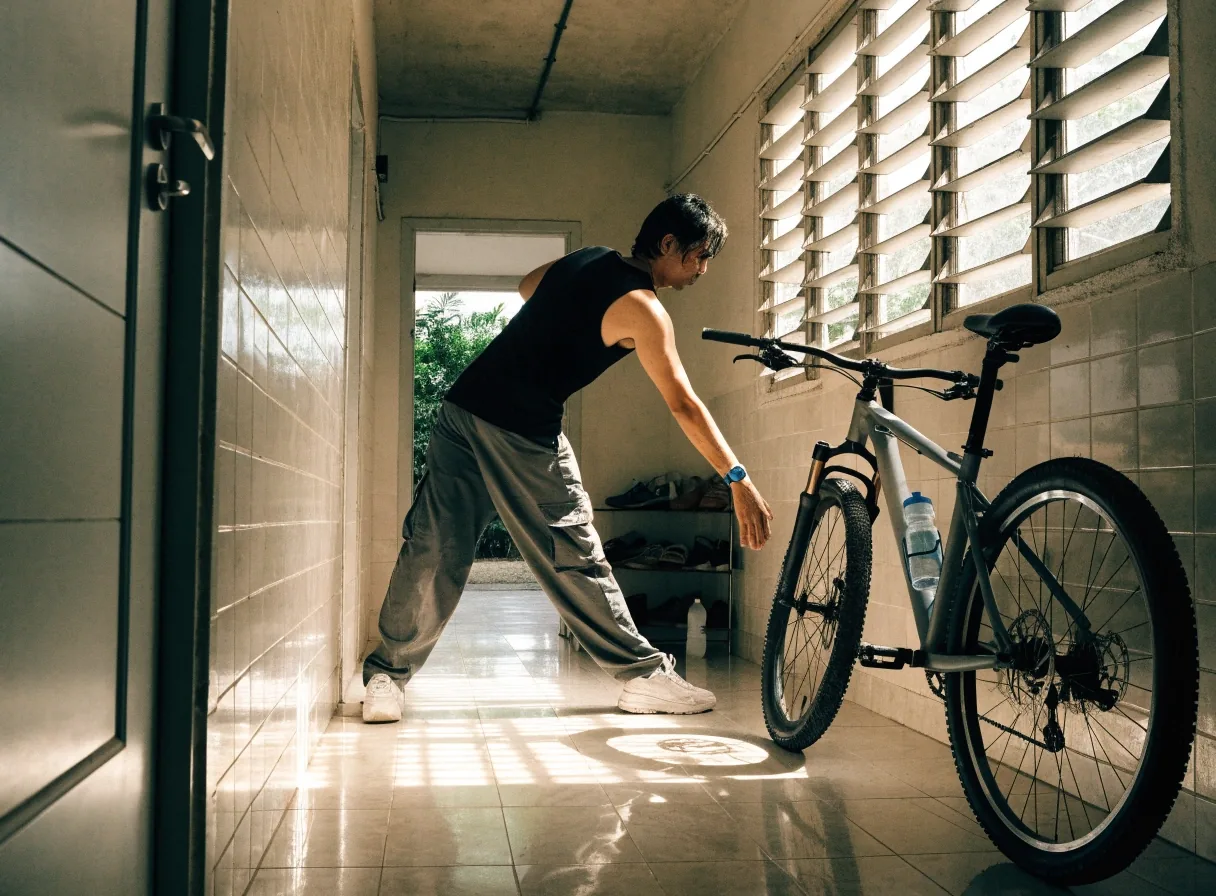
Jakarta · Midday · The moment a sitting stretch ends
Vasculindo is an English-language editorial resource for readers in Indonesia and across Southeast Asia who want plain explanations of vascular health and the daily routines that support it. We write about movement, sitting time, hydration, sleep and tobacco avoidance. We don't sell supplements, and we don't promise outcomes.
What you do across an ordinary Tuesday — how long you sit, how much you walk, what you drink, whether you smoke — shapes how that network performs over years. Small changes accumulate, and the pages here are written to help you pick the ones that fit a real week in Jakarta, Surabaya or Bandung.
Start where your day actually is
If you already know you sit too much, begin with desk and commute routines. If you want a weekly plan, the movement page turns the public activity guidelines into a schedule you can keep. If none of that is your question yet, the circulation basics explain what the vessels are doing all day.
The basics, in plain language
What circulation actually does
Blood circulation delivers oxygen and nutrients to every organ and carries waste products away. The heart is the pump, but the vessels are active participants: arteries widen and narrow moment to moment to match blood flow to what your body needs.
When you stand up, your vessels adjust within seconds to keep blood pressure steady. When you walk briskly, they respond by improving flow to working muscles. Vascular health is about keeping that responsiveness intact.
Age, inactivity, smoking and long stretches of sitting all tend to work against it. The good news is that many of the same habits that support heart health also support the vessels, and small changes accumulate.
Read the circulation basics
Jakarta · 12:20 · A brisk walk counts as activity
Public health guidance commonly cited is 150 to 300 minutes of moderate-intensity activity per week, or 75 minutes of vigorous activity, plus muscle-strengthening work twice a week. That is roughly 30 minutes on most days — brisk walking, cycling and dancing all count.
Movement chapter · The lever with the most evidence
Daily movement matters more than occasional workouts
A single hard workout doesn't offset ten hours of sitting. Research on sedentary behaviour keeps pointing the same way: how you spend the other 23 hours of the day matters.
Short, frequent movement breaks during desk work, walking to lunch, taking stairs instead of the lift — they add up. You don't need a gym membership to hit the weekly guideline, and you don't need to clear your calendar for it either.
Next · Hydration, sleep and tobacco — the three quieter levers

Jakarta · 15:40 · Eight hours seated, one short break — the pattern that slows leg blood flow
Sitting is the habit most people underestimate
Office workers and remote workers in Jakarta, Surabaya and Bandung often sit for eight or more hours on weekdays, then commute sitting down, then relax sitting down. Long uninterrupted sitting slows blood flow in the legs and is linked to poorer vascular function over time. The fix isn't a standing desk you don't have — it's breaking up the sitting.
Phone calls
Stand up when you take them
Every call you take standing is a few minutes off the total sitting time, with no extra equipment and no change to your schedule.
The useful interval
A two-minute break every 30 to 60 minutes
More useful than one long walk at the end of the day, and easier to keep. Walk to refill your water, take the long route to the bathroom, or simply stand and stretch.
The commute
Get off one stop earlier
A ten-minute walk at each end of a Jakarta commute is a habit that survives a bad week, unlike a plan that depends on free evenings.
Daily habits chapter
Hydration, sleep and tobacco: three quieter levers
Blood is roughly 90 percent water, and dehydration thickens it slightly, which makes the heart work a little harder. Sleep matters because blood pressure dips naturally during deep sleep, giving vessels a nightly recovery window. Tobacco is the clearest lever of all.

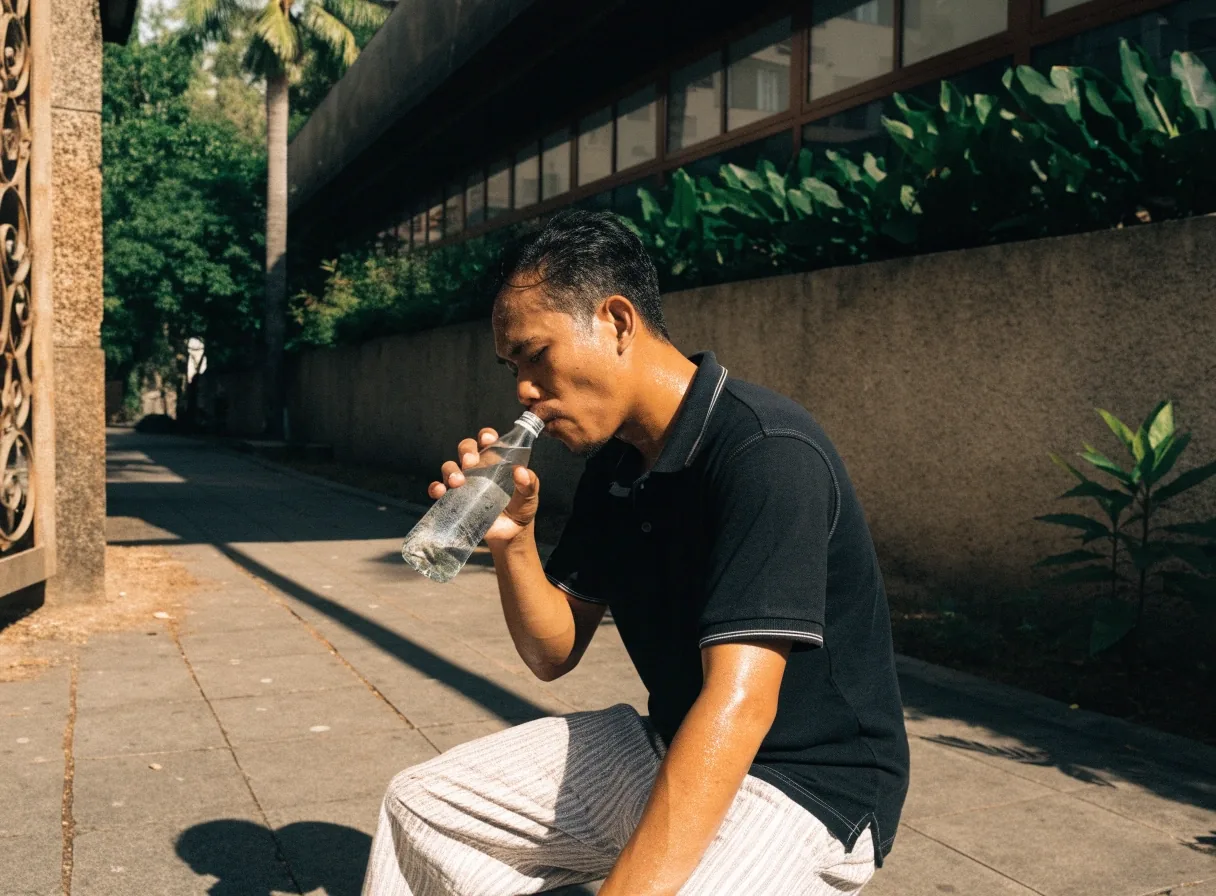
Hydration · Consistent intake through the day, more in heat and humidity

Sleep · The nightly dip in blood pressure that lets vessels recover
Tobacco · Stopping is the highest-value change for vascular health
Movement · The short trips you can replace with a walk or a ride
A route through the site
Where to start on this site
If you're new here, start with the circulation basics. If you already know you sit too much, go straight to desk and commute routines. If you want a weekly plan, the movement page translates the activity guidelines into a realistic schedule.
Daily habits and circulation ties hydration, sleep and tobacco avoidance together. None of these pages replace medical advice. If you have symptoms like persistent leg pain, swelling or shortness of breath, see a doctor.
Who writes Vasculindo
Vasculindo is maintained by a small editorial team based in Jakarta. We read public health guidance from sources like the Singapore Health Promotion Board, the National Heart Centre Singapore, the UK National Health Service and the Society for Vascular Surgery, and we translate the practical parts into plain English for a Southeast Asian audience.
We don't publish personal medical stories or before-and-after claims. We don't cite research we can't verify. The About page explains the editorial approach in more detail.
What this site is not
Vasculindo is not a clinic, and nothing here is a diagnosis or treatment plan. We don't recommend specific supplements, devices or products, and there are no affiliate links. If you're dealing with a diagnosed condition, use this site as background reading alongside your doctor's guidance, not instead of it.
Editorial desk
Jl. Jend. Sudirman No. 52, Senayan, Kebayoran Baru, Jakarta Selatan, DKI Jakarta 12190, Indonesia
Monday to Friday, 9:00 AM – 6:00 PM · +62 21 5299 7315 · [email protected]
Reading time and how to use these pages
Most pages here take five to eight minutes to read. They're written to be skimmed first and returned to later. If you only have time for one thing today, pick a movement break and set a timer for the next hour.
The rest can wait. Circulation responds to consistency over weeks and months, not to a single perfect day.
A useful first hour
Set a timer, stand up when it rings, and walk for two minutes. That is the whole intervention. Repeat it through the working day and you have changed the shape of your sitting time without adding a gym session to an already full week.
Questions readers send us
Common questions about circulation habits
Walking How much walking is enough to support circulation?
Sitting Can sitting too long really affect circulation?
Supplements Do I need supplements for vascular health?
Medical advice Is this site medical advice?
Pick one habit for the next hour
Circulation responds to what you repeat, not to what you plan. Start with the page that matches your day, or write to the editorial team if a question isn't covered yet.